
Reflecting on the value of provenance
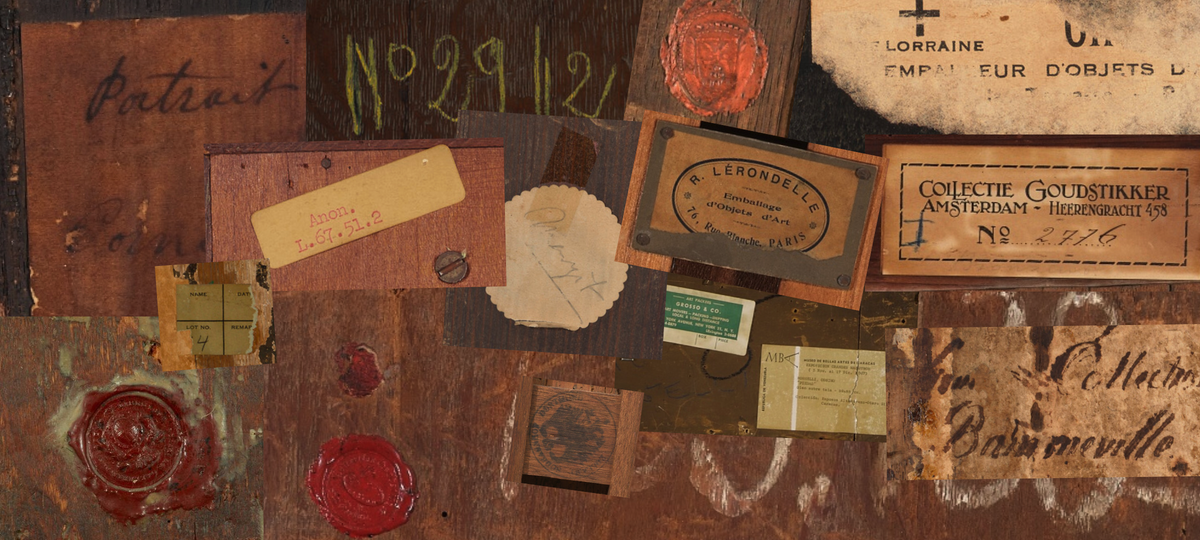
Today, I’m announcing attributed.to, a new web platform to help dealers and private collectors connect with art historians for research tasks related to provenance and attribution, among other areas. I’m excited about the launch, and grateful to everyone who has contributed feedback and support at TEFAF. This platform is an experiment, it's an idea that was born out of a desire to use the product myself. It's a niche market and I don't know if it will work out. Please go try it out and let me know what you think. You can reach me on Instagram for feedback.
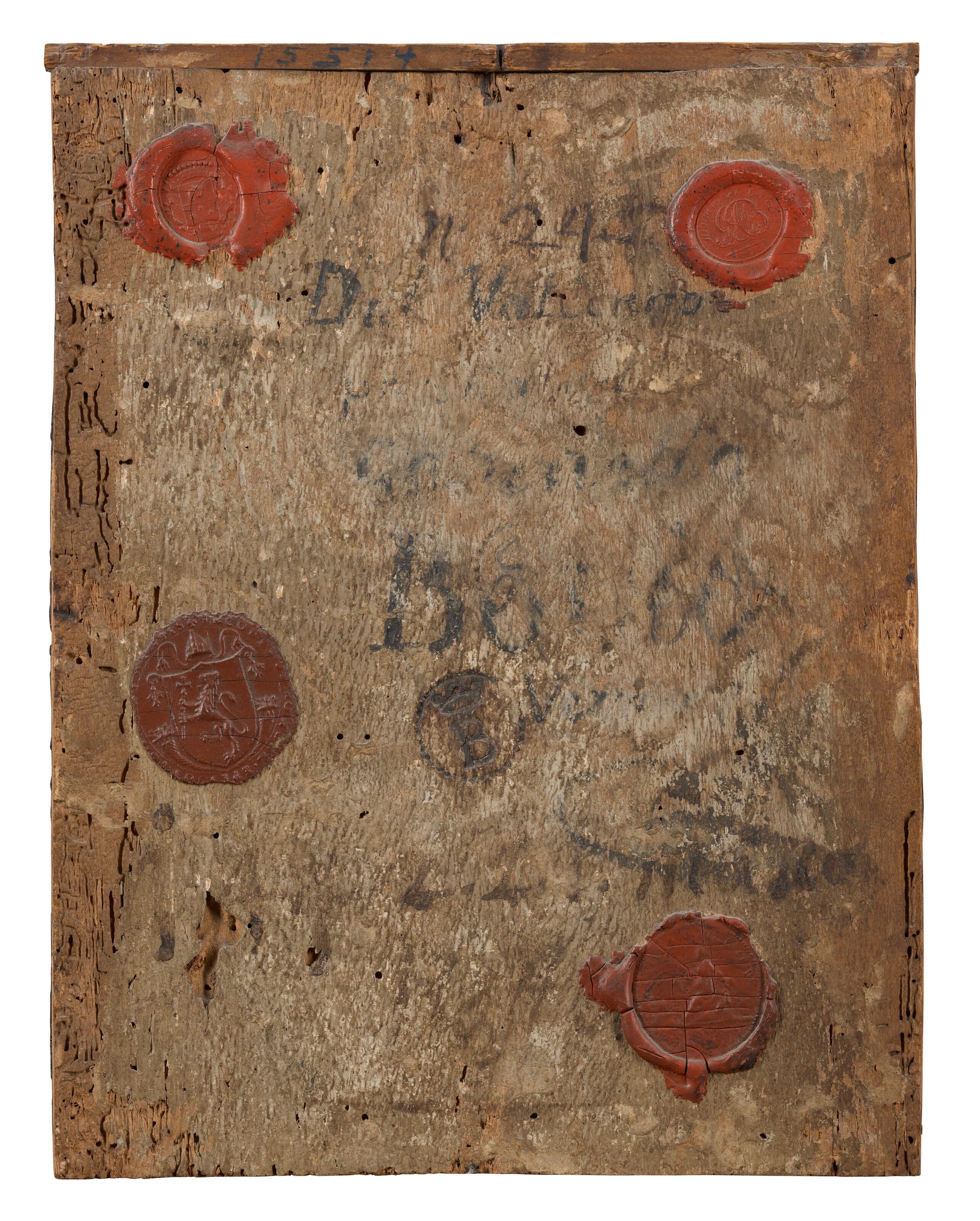
What is the value of provenance?
One of the core questions that every Old Master collector thinks about, one of the most difficult to answer, is why an artwork is valuable (to them, and to the market in general). There is no singular correct answer, it is a subjective question in nature. Because it's humans who judge value, any singular answer is likely to also be contradictory and inconsistent. Scarcity, beauty and craftsmanship are commonly cited.
When it comes to the Old Masters specifically, I would argue that provenance, or you could say the human history behind an artwork, is what the market values most. Collectors don't just buy artworks, they want to buy into the artist, and to a lesser extant into the legacy of past ownership. Scarcity and beauty only matter if there is an important person linked to an artwork in some way. Whether it's an artist who pioneered a new style, expanded a new geography, represented an emerging school of art, or told a different story - those are the works with lasting value. I believe this applies to anonymous artists and workshops too, as they participated in these new movements and were instrumental for their emergence.